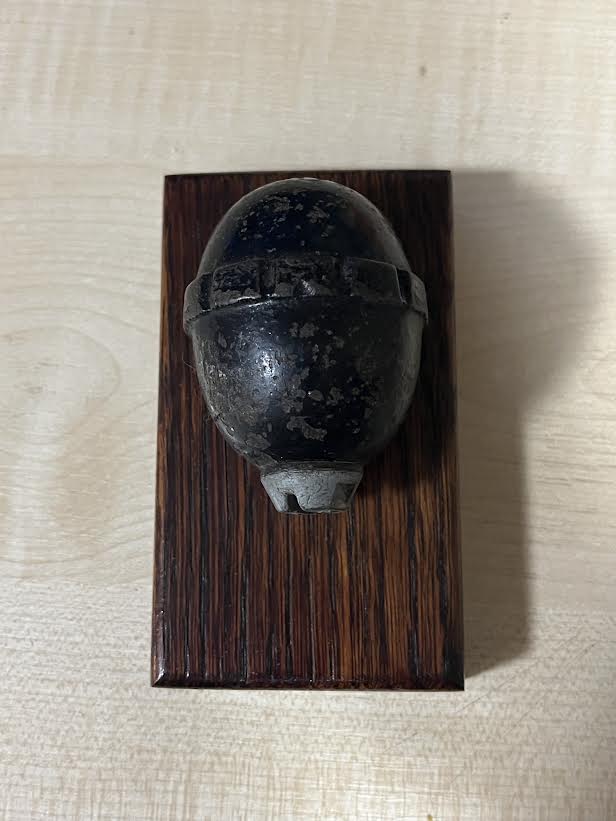
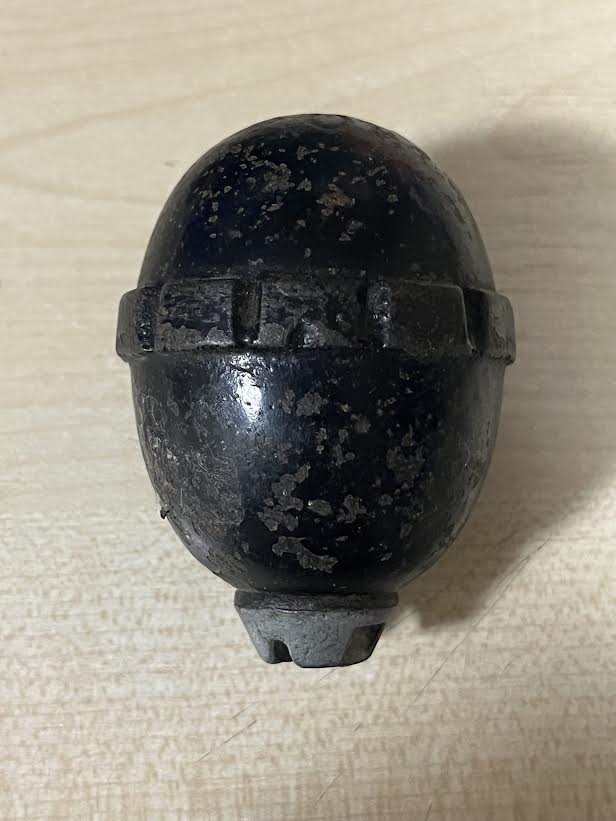
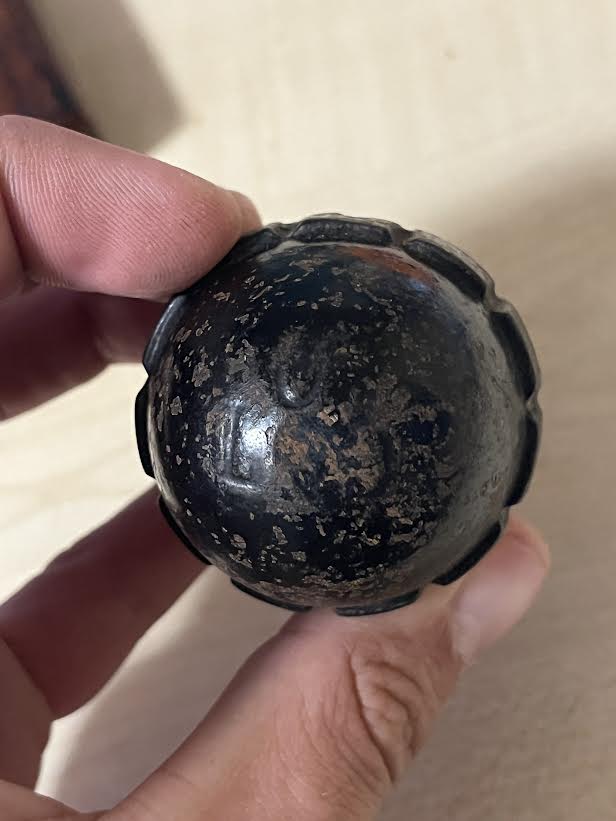
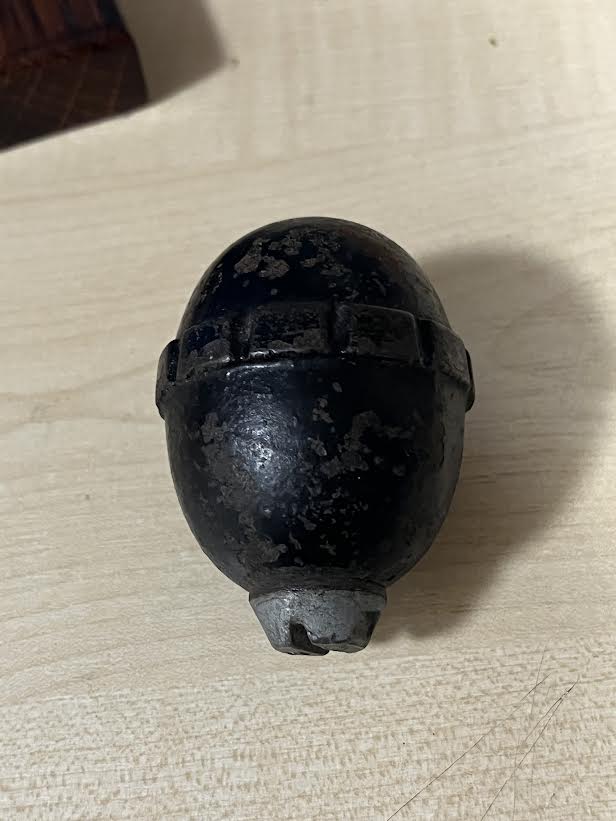
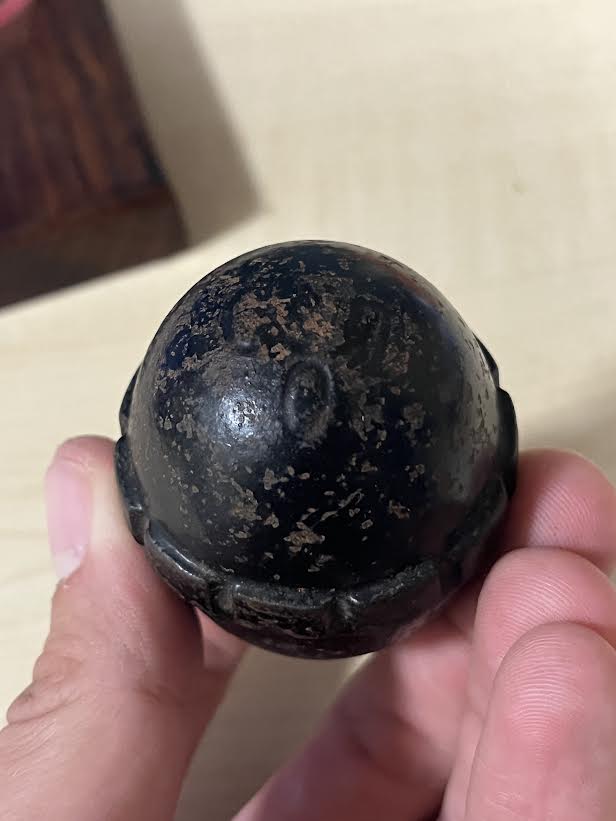
The German WW1 Egg Grenade Model 17, known as the "Eierhandgranate," is a distinctive hand grenade used by the German Empire during World War I. Named for its oval, egg-like shape, this grenade was a compact, lightweight, and highly portable explosive device designed for use in close combat.
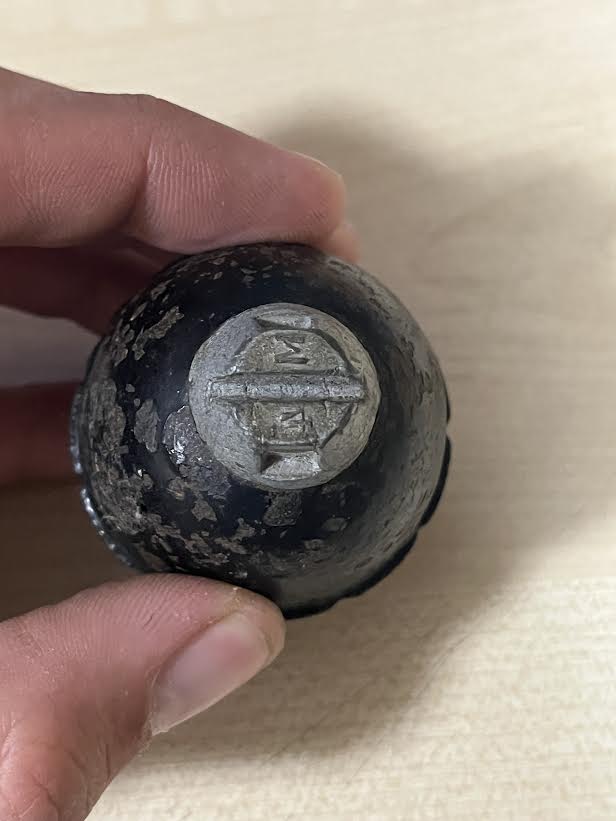
The Model 17 featured a cast-iron body that housed an explosive charge, typically filled with a mixture of TNT and ammonium nitrate. It had a simple friction ignition system, initiated by pulling a cord attached to the fuse, which ignited a 5 to 7-second delay before detonation. This design allowed soldiers to throw the grenade accurately over short distances, making it effective in trench warfare and other close-quarter battle scenarios.
The egg shape of the grenade made it easier to carry in large numbers, and its small size allowed soldiers to throw it further and more accurately than larger, cylindrical grenades. The Model 17 was often used in conjunction with stick grenades, providing a versatile and effective option for German troops. Despite its simplicity, the Egg Grenade Model 17 was a crucial tool in the German arsenal, reflecting the evolving nature of warfare during World War I
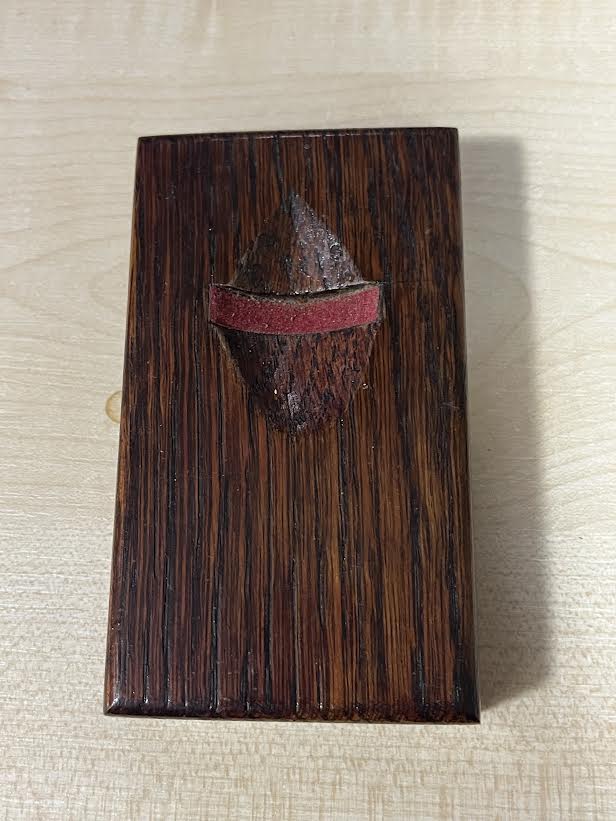
This example comes with a travel fuze and a wooden plaque which it is mounted to as shown.

Due to recent legal limitations, we are unable to provide online payments. However to purchase simply contact us below and we are able to accept all major credit/debit cards over the telephone, bank transfer or arrange payment on collection.
Click to reserve